
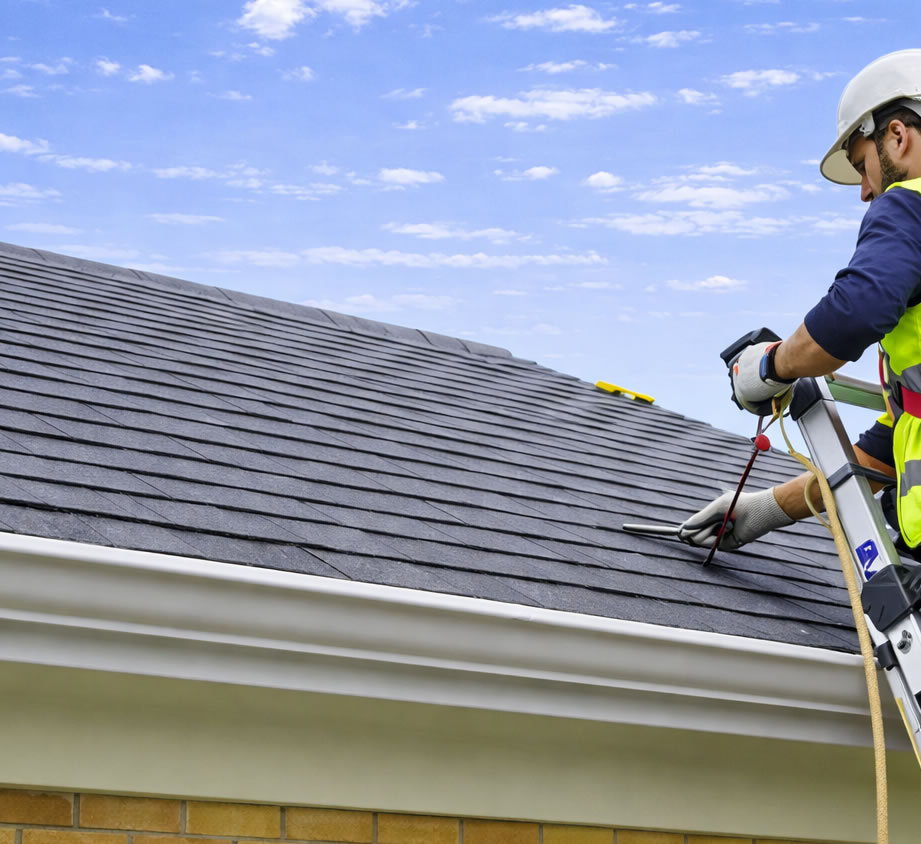
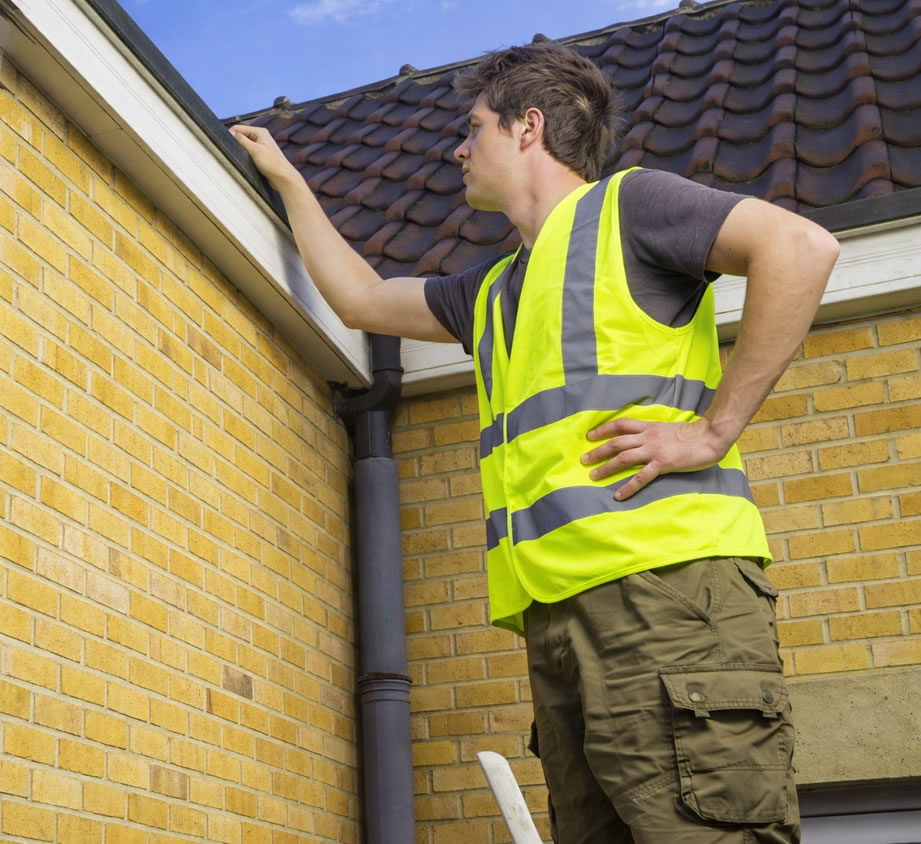
Roof inspections help identify problems early, before they turn into costly repairs or emergencies. Whether you’ve noticed a leak, recently experienced storm damage, or simply want peace of mind, a professional roof inspection provides a clear picture of your roof’s condition.
At Get a Roofer, we help homeowners get a roofer for inspections and surveys by connecting them with vetted local roofing contractors. As a result, you can compare free, no-obligation quotes and decide on the best next steps for your property.
What Is a Roof Inspection?
A roof inspection involves a professional roofer visually checking the condition of your roof, both externally and, where possible, internally. The inspection focuses on identifying damage, wear, or potential problem areas before they worsen.
Typically, a roof inspection includes checking tiles or slates, flashing, ridge tiles, gutters, flat roof coverings, and visible roof timbers. In addition, roofers often inspect loft spaces for signs of damp, leaks or insulation issues.
When Should You Arrange a Roof Inspection?
Roof inspections are useful in many situations. For example, homeowners often book inspections:
- After storms or high winds
- When buying or selling a property
- Before major repairs or roof replacement
- If leaks, damp or stains appear indoors
- As part of routine property maintenance
- Before insurance claims or warranty work
Because small issues can remain hidden, regular inspections help avoid unexpected repair bills later.
Common Issues Found During Roof Inspections
During inspections, roofers often identify problems such as:
- Slipped, cracked or missing tiles
- Damaged ridge tiles or mortar failure
- Worn or split flashing around chimneys and valleys
- Blocked or leaking gutters
- Flat roof cracks, blisters or ponding water
- Condensation or damp in loft spaces
- Early signs of timber rot or sagging
By identifying these issues early, homeowners can plan repairs instead of dealing with emergencies.
Roof Inspection vs Roof Survey – What’s the Difference?
Although the terms are often used interchangeably, there are differences:
- Roof inspection – A visual assessment to identify visible defects and risks
- Roof survey – A more detailed assessment, sometimes including measurements, photos and written reports
Therefore, a survey is often recommended for property purchases or major roofing work, while inspections suit routine checks or fault finding.
How Long Does a Roof Inspection Take?
Roof inspections are usually quick, although timing depends on access and roof size.
Typical Roof Inspection Times
| Property Type | Typical Duration |
|---|---|
| Garage or outbuilding | 20–30 minutes |
| Terraced house | 30–45 minutes |
| Semi-detached house | 45–60 minutes |
| Detached house | 60–90 minutes |
| Flat roof inspection | 30–60 minutes |
Roof Inspection Costs in the UK
Roof inspection costs vary depending on access, roof complexity and location.
Typical Roof Inspection Prices
| Type of Inspection | Typical Cost (excl. VAT) |
|---|---|
| Basic visual inspection | £80 – £150 |
| Roof leak inspection | £100 – £250 |
| Roof survey with report | £150 – £400 |
| Pre-purchase roof survey | £200 – £500 |
In many cases, roofers deduct inspection costs if you proceed with repairs.
Do Roof Inspections Require Scaffolding?
Most inspections don’t require scaffolding, as roofers can inspect from ground level, ladders or loft spaces. However, for larger properties or complex roofs, scaffolding or drone inspections may be recommended for safety and accuracy.
Roof Inspections & Building Regulations
Roof inspections themselves don’t require approval. However, if the inspection identifies work that affects structure, insulation or safety, any subsequent repairs or replacement must comply with UK Building Regulations.
Roofers registered with CompetentRoofer can often self-certify qualifying work.
Roofing Trade Associations & Quality Schemes
Many roofers offering inspections get their work as roofing job leads and belong to recognised UK organisations, including:
- NFRC (National Federation of Roofing Contractors)
- CompetentRoofer
- TrustMark
- CHAS
Although membership isn’t mandatory, it often indicates professionalism and compliance.
Get a Roof Inspection Quote Near You
If you’re unsure about the condition of your roof, arranging an inspection is a sensible first step. We make it easy to get a roofer for inspections and surveys.
With Get a Roofer, you can:
- Compare free, no-obligation roof inspection quotes
- Speak directly with vetted local roofers
- Decide whether repairs, maintenance or replacement are needed
Complete our online form to get started or contact us now.
Frequently Asked Questions About Roof Inspections
What does a roof inspection include?
A roof inspection typically checks the condition of tiles or slates, ridge tiles, flashing, gutters, roof junctions and (where accessible) flat roof coverings. Roofers may also check the loft for signs of leaks, damp, condensation or insulation issues.
How often should I have my roof inspected?
Many homeowners arrange an inspection every 1–2 years, and also after severe storms. Regular checks help spot small issues early, which often reduces repair costs.
Can a roofer find the source of a leak during an inspection?
Yes, in many cases. Roofers can often trace leaks to common causes such as slipped tiles, damaged flashing, blocked gutters or flat roof splits. However, some leaks are intermittent, so a follow-up visit may be needed after rainfall.
Do I need scaffolding for a roof inspection?
Usually not. Roofers often inspect from ground level, ladders and the loft. For taller buildings or complex roofs, a roofer may recommend scaffolding or a drone inspection for safety and accuracy.
What’s the difference between a roof inspection and a roof survey?
A roof inspection is usually a visual condition check. A roof survey is often more detailed and may include measurements, photos and a written report. Surveys are common for property purchases and major roofing decisions.
Can a roof inspection help me decide between repairs and replacement?
Yes. A professional inspection helps you understand whether the issues are localised (often suitable for repair) or widespread (where replacement may be more cost-effective long term).