
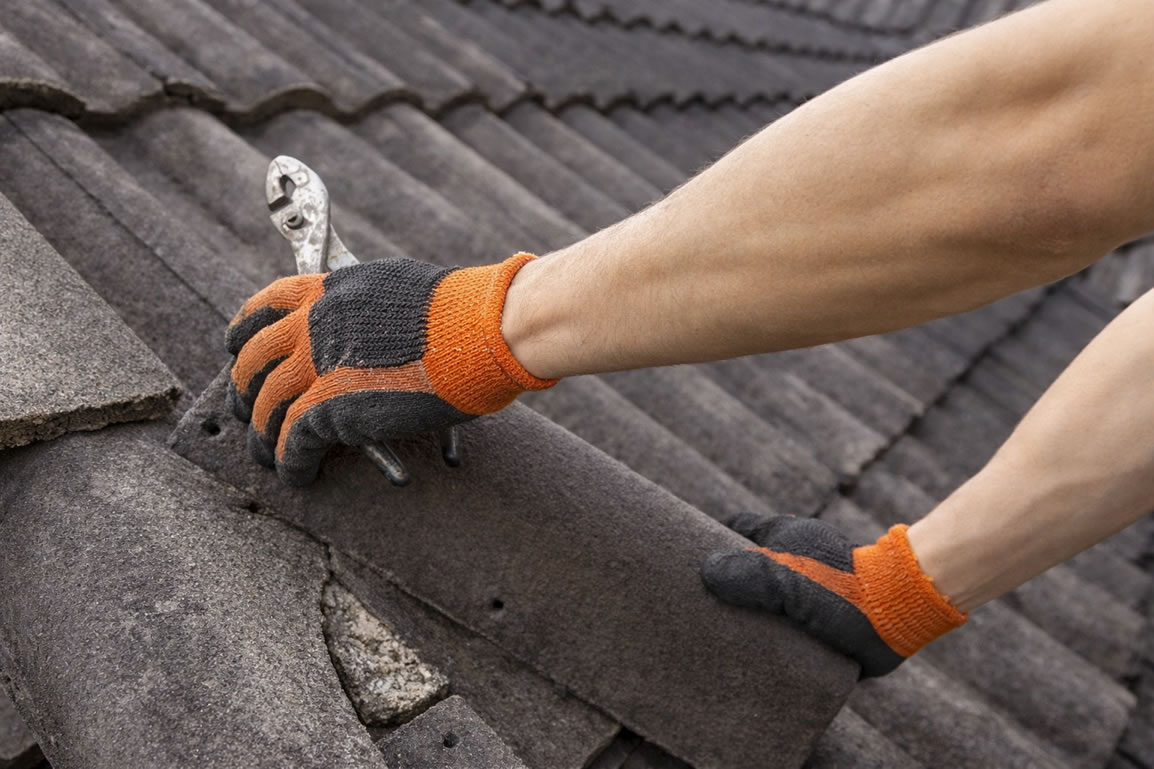
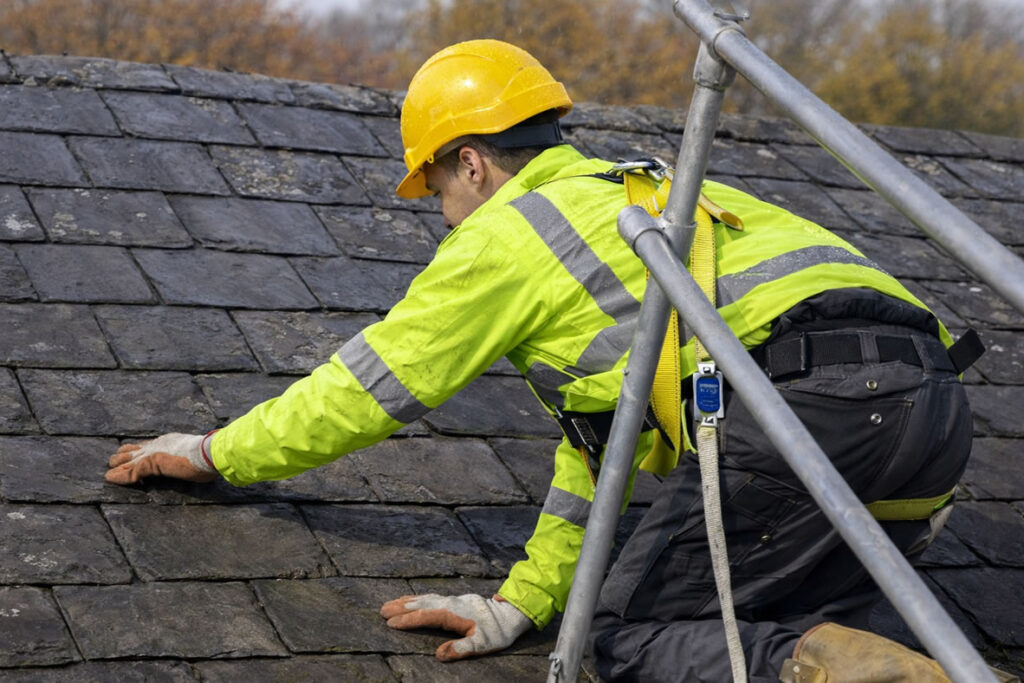
Roofing emergencies rarely happen at a convenient time. However, when sudden leaks, storm damage or fallen tiles put your property at risk, acting quickly can prevent far more serious damage.
At Get a Roofer, we help homeowners get a roofer fast by connecting them with vetted local emergency roofing contractors. As a result, you can arrange urgent inspections and free, no-obligation quotes when time matters most.
What Is Emergency Roofing?
Emergency roofing covers urgent roof work needed to make a property safe and watertight as quickly as possible. Unlike planned repairs, emergency roofing focuses on immediate risk reduction, followed by longer-term solutions if required.
Typically, emergency roofers attend to stop active leaks, secure loose materials and prevent further damage. After that, they advise on any follow-up repairs or replacement work.
Common Emergency Roofing Situations
Emergency roofing is usually needed when sudden or severe damage occurs. For example, common call-outs include:
- Active roof leaks during heavy rain
- Storm damage causing missing or lifted tiles
- Loose ridge tiles or slates at risk of falling
- Damaged flashing around chimneys or roof joints
- Flat roof failures allowing water ingress
- Collapsed sections of roofing or roofline
- Fallen debris damaging the roof surface
- Water entering loft spaces or ceilings
Because these issues can worsen quickly, early action often reduces overall repair costs.
When Should You Call an Emergency Roofer?
You should contact an emergency roofer immediately if:
- Water is entering your property
- Tiles, slates or ridge sections have come loose
- High winds have damaged roof coverings
- A leak threatens electrics or ceilings
- Parts of the roof pose a safety risk to people below
In these situations, delaying action can lead to internal damage, mould growth and higher repair bills. Therefore, quick intervention is essential.
What Does an Emergency Roofer Do First?
When attending an emergency, roofers usually prioritise safety and weatherproofing. As a result, initial work often includes:
- Temporary sealing or tarping of leaks
- Securing loose tiles, slates or flashing
- Removing hazardous debris
- Protecting exposed roof areas from rain
- Advising on permanent repair options
Once the immediate risk is under control, roofers can then schedule follow-up work if needed.
Typical Emergency Roofing Timescales
Emergency roofing focuses on fast response. However, repair times depend on access, damage severity and weather.
Emergency Roofing Response & Repair Times
| Type of Emergency | Typical Response |
|---|---|
| Active roof leak | Same day (often within hours) |
| Storm damage | Same day or next day |
| Loose tiles / ridge | Same day |
| Temporary weatherproofing | Immediate |
| Follow-up permanent repairs | 1–7 days |
Emergency Roofing Costs in the UK
Emergency roofing costs vary depending on urgency, access and time of day. However, early action often limits wider damage and keeps overall costs lower.
Typical Emergency Roofing Prices
| Type of Work | Typical Cost Range (excl. VAT) |
|---|---|
| Emergency roof inspection | £100 – £250 |
| Temporary leak sealing | £150 – £400 |
| Emergency tile or slate refixing | £200 – £500 |
| Storm damage call-out | £250 – £800+ |
| Out-of-hours emergency work | Higher due to urgency |
For an accurate price, roofers usually assess the situation on site before confirming full repair costs.
Emergency Roofing & Insurance Claims
In some cases, emergency roofing work may form part of an insurance claim. Therefore, it’s helpful to:
- Take photos of the damage
- Keep receipts and quotes
- Act quickly to prevent further damage
Many insurers expect homeowners to arrange emergency repairs promptly to minimise losses.
Are Emergency Roofers Qualified & Insured?
Reputable emergency roofers carry valid public liability insurance and follow UK safety standards. In addition, many belong to recognised trade bodies, such as:
- NFRC (National Federation of Roofing Contractors)
- TrustMark
- CompetentRoofer
- CHAS
Although emergencies feel urgent, you should still use insured and vetted roofers wherever possible.
Get Emergency Roofing Help Near You
When your roof fails unexpectedly, waiting can make the situation worse. That’s why we help homeowners get a roofer quickly, even in urgent situations.
With Get a Roofer, you can:
- Request urgent contact from local emergency roofers
- Compare free, no-obligation quotes
- Speak directly with vetted and insured contractors
Complete our online form now to get emergency roofing help in your area.
Frequently Asked Questions About Emergency Roofing
What counts as a roofing emergency?
A roofing emergency usually involves active leaks, storm damage, loose tiles or slates, collapsed sections, or any issue that allows water into the property or poses a safety risk. If damage could worsen quickly or cause internal harm, it should be treated as an emergency.
How quickly can an emergency roofer attend?
Many emergency roofers aim to attend the same day, often within a few hours, depending on weather conditions, location and demand. Severe weather events may cause higher demand and longer wait times.
Can emergency roofing work be carried out in bad weather?
Roofers prioritise safety. While some temporary measures can be carried out in poor weather, high winds, heavy rain or icy conditions may limit what can be done immediately. In these cases, roofers focus on making the area safe until conditions improve.
Will emergency roofing repairs be permanent?
Emergency roofing usually involves temporary or short-term repairs to stop leaks and prevent further damage. Roofers will then advise whether permanent repairs or roof replacement are required once conditions allow.
Is emergency roofing more expensive?
Emergency work can cost more than planned repairs, especially if carried out out-of-hours or at short notice. However, acting quickly often reduces the risk of costly internal damage, which can save money overall.
Can emergency roofing help with insurance claims?
Yes. Emergency roofers can carry out temporary repairs to prevent further damage, which insurers often expect. Keeping photos, invoices and quotes can help support an insurance claim.