
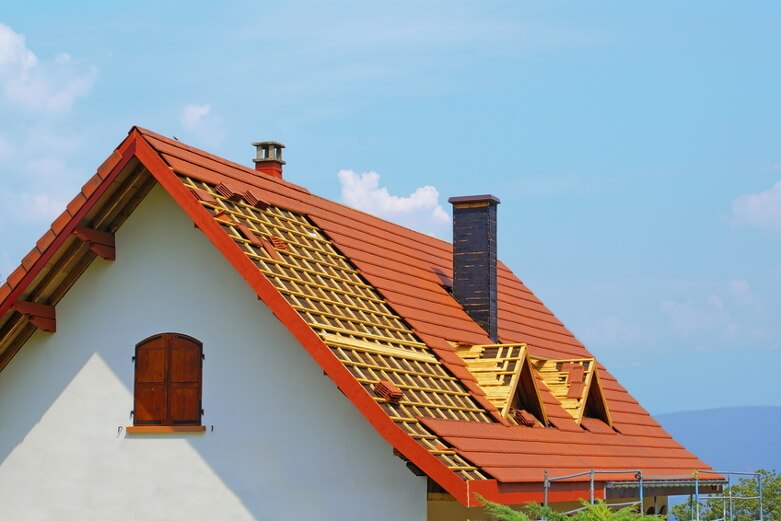
A storm can cause havoc. Hail, heavy rainfall and strong winds can lead to power cuts, road closures and delayed transportation. At best inclement weather can be inconvenient and at worst it could be catastrophic.
Storms can cause severe building damage also. After extreme winds and rain it’s a good idea to check your roof as soon as possible. That way you will be aware of any harm and can correct it as soon as you can. If a damaged roof goes unnoticed and it is left untreated, it will only worsen and cost you money.
Read on to find out 3 ways to spot storm damage on your roof before it’s too late.
1. Inspect your loft
One of the first things you should do after a storm is head up to your loft to check for leaks and water damage and mould. Look for puddles, drinking water and drip marks on the ceilings and walls. Minor leaks can often be hard to spot but it’s important to get them sorted before you get more bad weather. Otherwise, the problem can escalate and set you back more time and money.
2. Check the ground outside your home
Another way to check for storm damage is to have a look at the ground around your home. If you discover dislodged shingles or tiles it shows that they’ve been blown off and that there are spaces on your roof. You’ll have to get the roofing changed before your roof grows any leaks.
However, dislodged roofing materials can indicate that something may have dropped on your roof also. If it has happened it might have weakened the roofing structure and left your home unsafe to reside in. Either way, if you discover dislodged roofing materials you should get a specialist to have a look at it at the earliest opportunity.
3. Have a look at your roof
One of the most obvious things to do if you’re worried about roof damage is to get up there and check it yourself. Search for dislodged or lacking materials, damage and any debris. If you find any of these things it’s well worth getting a roofer to take a look.
However, you should only venture to your roof when you can do this safely. If you have a roof that’s a significant height from the ground, you’re by yourself or are not used to ladders, leave the working job to a specialist.
Additionally, you shouldn’t try to get on your roof. You could lose your footing or cause even more harm easily. The goal of heading up to check out your roof is merely to obtain a clearer picture of what harm might have been done, never to fix it yourself.
So now you should find it easier to work out if your roof has suffered any storm damage. Remember, if you spot any damage or simply need someone to take a closer look, contact a professional roofer. They’ll be able to check your roof completely and advise you on any work that requires doing.