
Installing a new roof is one of the most important investments you can make in your property. Whether your existing roof has reached the end of its lifespan, suffered extensive storm damage, or you’re upgrading as part of a renovation or extension, choosing the right roofer is essential.
What Is a New Roof?
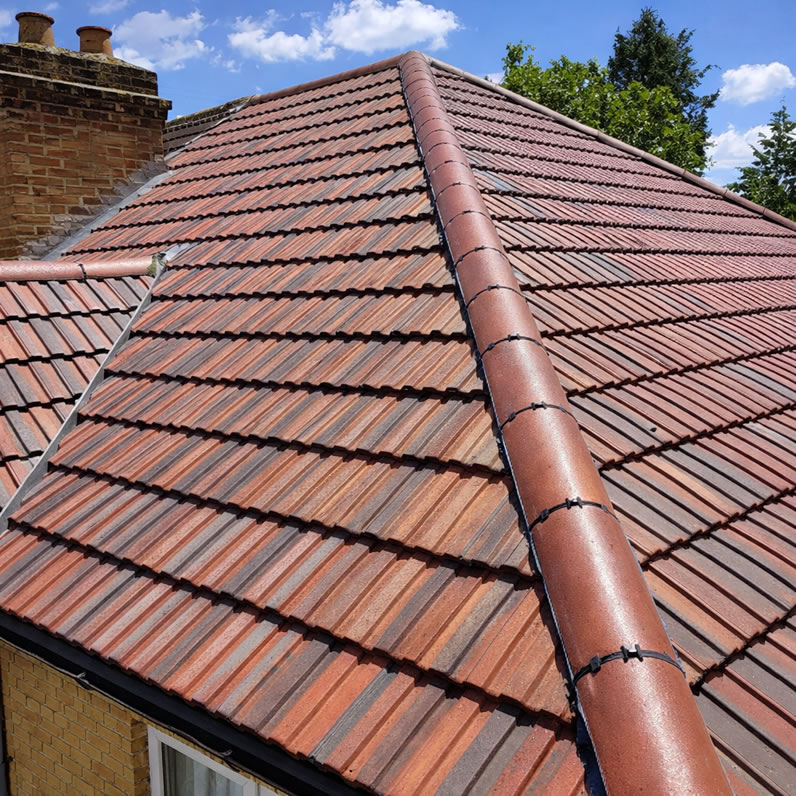
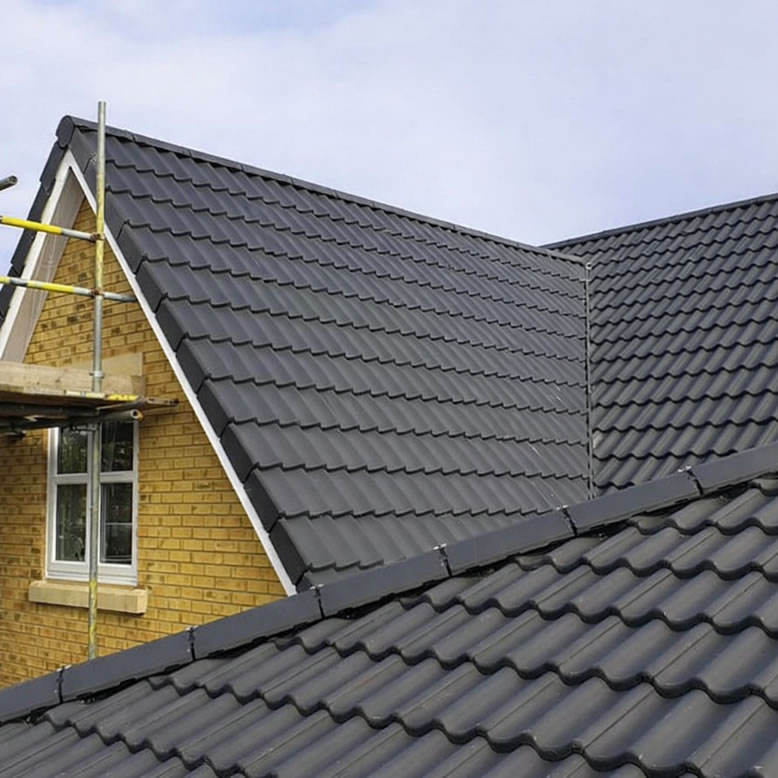
A new roof (also known as a roof replacement) involves removing all or most of the existing roofing materials and installing a completely new roofing system. This can include new tiles or slates, underlay, battens, ridge tiles, flashing and ventilation components.
New roofs are typically required when repairs are no longer cost-effective, the structure is compromised, or the roof covering has reached the end of its expected lifespan.
When Do You Need a New Roof?
You may need a new roof if:
- Your roof is over 20–30 years old and repeatedly leaking
- Repairs are becoming frequent and costly
- Tiles or slates are brittle, crumbling or missing across large areas
- The roof structure shows signs of sagging or movement
- Storm damage has affected a significant portion of the roof
- You’re renovating, extending or converting a loft
- A survey recommends full replacement rather than repair
A professional roof inspection or survey will confirm whether a new roof is necessary or if repairs are still viable.
Common Reasons for Roof Replacement in the UK
UK properties often require new roofs due to:
- Long-term weather exposure (wind, rain, frost and UV damage)
- Poor installation of the original roof
- Failed underlay or rotten battens
- Widespread tile or slate deterioration
- Inadequate ventilation causing condensation and timber decay
- Structural changes during extensions or loft conversions
Replacing the roof resolves underlying issues rather than repeatedly fixing surface problems.
Types of New Roofs Installed in the UK
Roofers install different roof types depending on property style, budget and planning considerations.
Common New Roof Materials
| Roofing Type | Typical Properties |
|---|---|
| Concrete tiles | Most modern UK homes |
| Clay tiles | Traditional and period properties |
| Natural slate | Older homes and premium finishes |
| Fibre cement slate | Cost-effective slate alternative |
| Felt flat roofs | Garages, extensions, dormers |
| EPDM rubber roofs | Flat roofs with longer lifespan |
| GRP fibreglass roofs | Modern flat roof systems |
| Metal roofing | Contemporary and commercial buildings |
How Long Does a New Roof Take?
Timescales depend on roof size, access, materials and weather.
Typical New Roof Installation Times
| Roof Type | Typical Duration |
|---|---|
| Small garage roof | 1–2 days |
| Flat roof (extension) | 2–3 days |
| Mid-terrace house | 3–5 days |
| Semi-detached house | 4–6 days |
| Detached house | 5–10 days |
| Slate roof | Often longer due to materials |
Bad weather can delay work, as roofing must be carried out safely.
Typical UK New Roof Costs
New roof prices vary widely depending on materials, access, scaffold requirements and roof complexity.
Average New Roof Costs (UK)
| Type of Roof | Typical Cost Range (excl. VAT) |
|---|---|
| Small flat roof | £1,200 – £3,500 |
| Garage roof | £900 – £2,500 |
| Terraced house roof | £4,500 – £7,500 |
| Semi-detached roof | £6,000 – £10,000 |
| Detached house roof | £8,000 – £15,000+ |
| Natural slate roof | £10,000 – £20,000+ |

For an accurate price, comparing quotes from local roofers is essential.
Building Regulations & Compliance for New Roofs
Most new roofs in the UK must comply with Building Regulations, covering:
- Structural safety
- Insulation and energy efficiency
- Ventilation requirements
- Fire safety
- Safe disposal of waste materials
In many cases, roofers registered with the CompetentRoofer scheme can self-certify compliance, avoiding the need for separate Building Control inspections.
Planning permission is not usually required for like-for-like replacements, but may be needed for major changes or listed buildings.
Roofing Trade Associations & Quality Schemes
Many reputable roofers belong to recognised UK organisations, including:
- NFRC (National Federation of Roofing Contractors)
- CompetentRoofer
- TrustMark (Government-endorsed)
- CHAS
- Constructionline
Membership helps demonstrate professionalism, safety compliance and ongoing standards.
Popular UK Roofing Material Suppliers
Roofers typically source materials from trusted suppliers, such as:
National Builders’ Merchants
- Travis Perkins
- Jewson
- Wickes
- Selco Builders Warehouse
- B&Q
Specialist Roofing Suppliers
- SIG Roofing
- Burton Roofing
- JJ Roofing Supplies
- Roofing Superstore
Quality materials help ensure your new roof lasts for decades.
Get Free New Roof Quotes Near You
If you’re planning a roof replacement, we make it easy to get a roofer you can trust.
With Get a Roofer you can:
- Compare up to 4 free, no-obligation new roof quotes
- Speak directly with vetted and insured local roofers
- Choose the option that fits your budget and property
Simply complete our online form to get started.
Frequently Asked Questions About New Roofs
How do I know if I need a new roof or just repairs?
If issues are localised, such as a small leak or a few broken tiles, repairs may be enough. However, if the roof is ageing, repeatedly leaking, sagging, or showing widespread damage, a roofer may recommend a full roof replacement. A professional roof inspection will confirm the best option.
How long should a new roof last in the UK?
This depends on the material. Concrete tiles often last 30–50 years, clay tiles 50+ years, and natural slate can last 80–100 years when installed correctly. Flat roofs typically last 20–40 years depending on the system used.
Will I need planning permission for a new roof?
Most like-for-like roof replacements do not require planning permission. However, permission may be needed if you change the roof shape, height, materials (especially in conservation areas), or if the property is listed.
Is scaffolding always required for a new roof?
In most cases, yes. Scaffolding is usually required to allow roofers to work safely and efficiently, especially on two-storey or taller properties. The cost is normally included in your quote.
Does a new roof improve energy efficiency?
Yes. A new roof often includes improved insulation, ventilation and modern materials, which can reduce heat loss and help lower energy bills.
What information should I provide to get an accurate new roof quote?
To help roofers quote accurately, include your postcode, property type (terrace, semi, detached), roof material, approximate age of the roof, access details, and whether scaffolding is already in place. Photos can also be helpful.